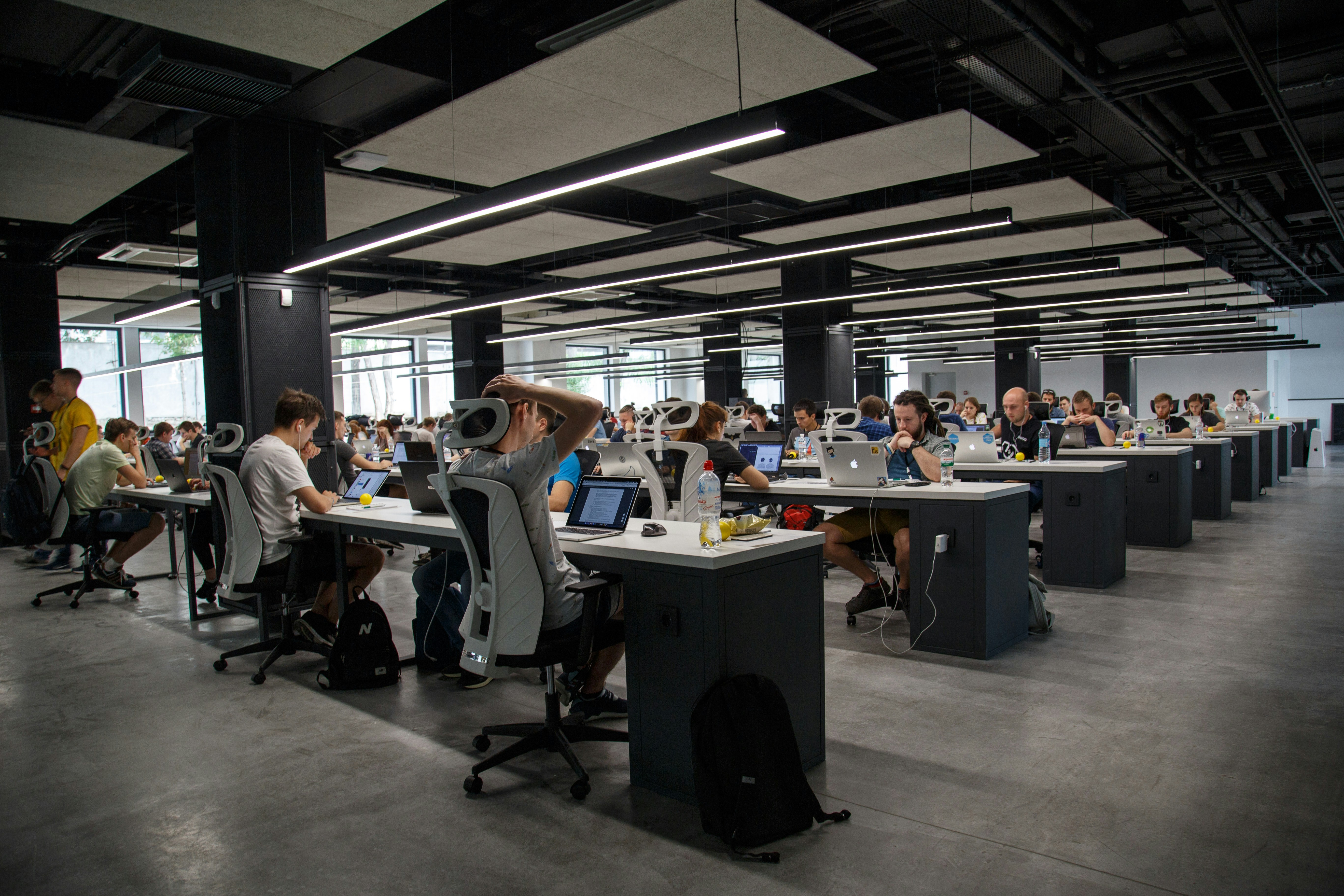
The Information Age, also known as the Digital Age, marks the shift from traditional industrial economies to ones driven by information technology. In this era, data is as valuable as oil — infinite in supply but powerful when refined. The impact of IT on business and society rivals that of the printing press or electricity on past generations. From digital computing to global connectivity, the Information Age continues to reshape how we live, work, and make decisions.
The rise of the internet revolutionized retail. Giants like Amazon and Alibaba transformed shopping into a borderless, 24/7 experience. Traditional stores now blend online channels, creating the era of omnichannel commerce that combines convenience with personalization.
Modern organizations thrive on data. Through analytics and AI tools, companies like Google and Meta tailor experiences, predict behavior, and guide smarter strategies. This enables better forecasting, customer insights, and competitive agility.
AI and robotics streamline processes and boost productivity. From factory robots to AI chatbots, automation cuts costs, reduces human error, and enables round-the-clock service delivery.
Thanks to digital collaboration tools like Zoom and Microsoft Teams, remote work has become mainstream. This shift, accelerated by the COVID-19 pandemic, promotes flexibility, cost savings, and work-life balance.
The internet erases borders, allowing even small enterprises to compete globally. Digital platforms empower SMEs to reach customers across continents, fostering global innovation and market expansion.
Digital technologies gave birth to new models like subscription services (Netflix, Spotify) and the sharing economy (Uber, Airbnb). These innovations redefine ownership, consumption, and customer loyalty in the Information Age.
The web democratizes knowledge. Educational platforms such as Khan Academy and Coursera make global learning accessible to all, turning the internet into a vast, open classroom.
Social media networks connect billions. Platforms like Facebook and LinkedIn enable instant communication and community-building, while also empowering businesses with direct consumer engagement.
Devices like smartphones, wearables, and smart homes enhance convenience and control. From energy-efficient thermostats to fitness trackers, technology personalizes daily routines.
Streaming giants such as Netflix and YouTube revolutionized entertainment, empowering independent creators and redefining media consumption in an on-demand world.
Despite progress, access remains uneven. The digital divide separates those with reliable connectivity from those without, deepening educational and economic inequality globally.
The mass collection of personal data raises serious privacy concerns. Laws like GDPR aim to protect individuals, but maintaining trust requires ongoing vigilance and transparency.
As reliance on digital systems grows, so do cyber risks. Encryption, multi-factor authentication, and ethical hacking are essential defenses for the Information Age.
Automation transforms the workforce. While new tech-driven jobs emerge, traditional roles decline — demanding widespread reskilling and digital literacy programs.
AI must be transparent, fair, and accountable. Responsible AI frameworks ensure innovation benefits all while preventing algorithmic bias and exploitation.
The Information Age redefines business and life alike — blending global connection, instant communication, and limitless knowledge. To thrive in this era, businesses and individuals must adapt ethically and strategically, ensuring that technology serves humanity, not the other way around.
A tip from our experience: Always make sure to invest in developing your digital skills, as technical knowledge has become the key to success in the Information Age.
📞 Contact us today to receive specialized consultation on digital transformation from the experts at KADER MIS.

Typically replies within an hour
I will be back soon